PIM
PIM for SMEs – What to Consider?
Professional omnichannel commerce is no longer a discipline exclusive to large corporations. The booming market of digital solution providers is also opening doors for small and medium-sized businesses.
Professional omnichannel commerce is no longer a discipline exclusive to large corporations. The booming market of digital solution providers is also opening doors for small and medium-sized businesses.
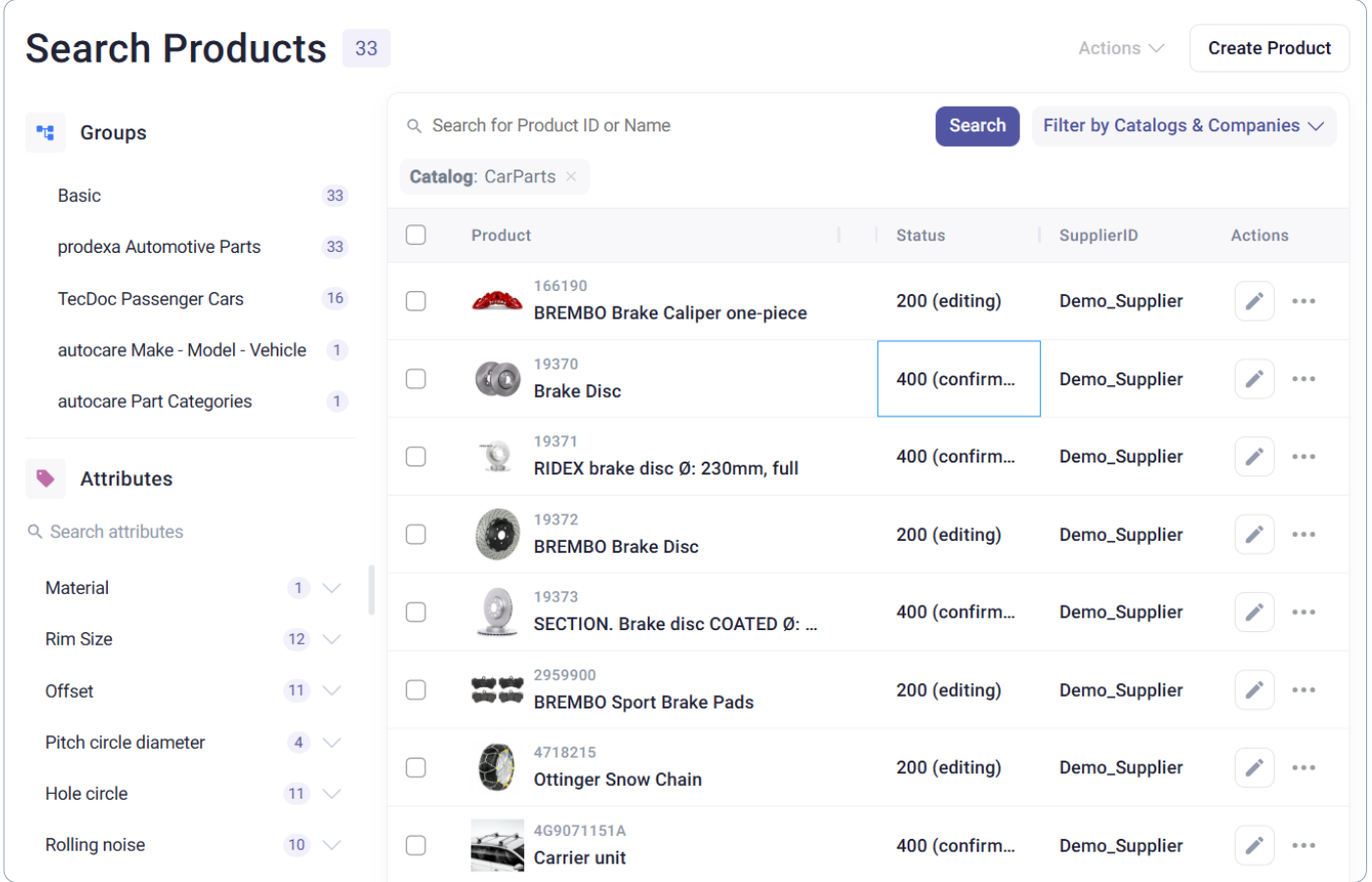
The quality of product data is often crucial for purchase decisions. Implementing a PIM system helps companies save time and money. We’ve summarized the five top reasons.
The automotive aftermarket is undergoing radical change. Manufacturers, dealers, and service providers are under constant pressure: increasing product diversity due to more and more vehicle variants and shorter model cycles, growing amounts of data, and higher customer expectations require new ways of thinking. Those who still rely on old processes or rest on their past successes risk inefficient workflows, missed opportunities, and declining competitiveness.
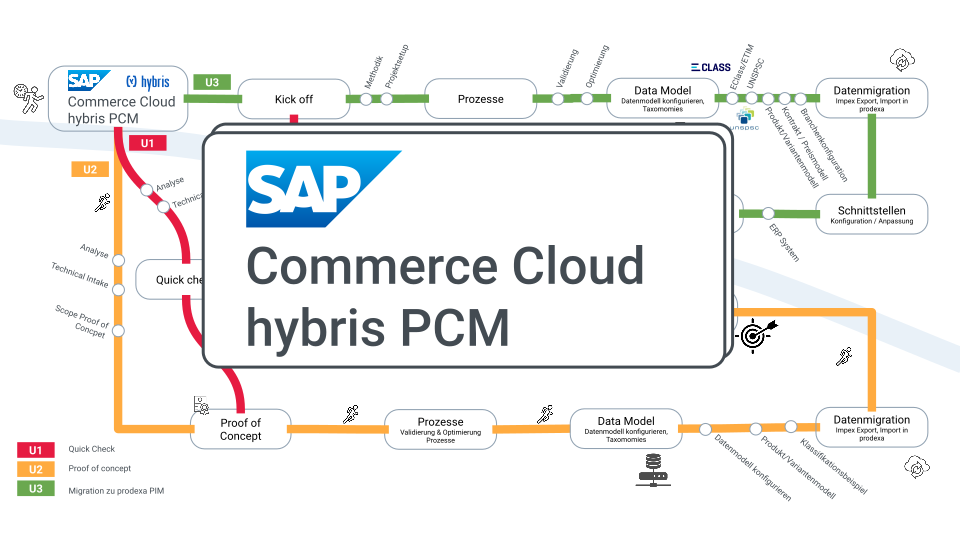
Together with our partners, we possess deep expertise in the SAP Commerce Cloud, and in particular, the hybris Product Content Management (PCM). One of our partners has been an implementation partner for hybris since its earliest days and has actively helped shape the platform since 2008.
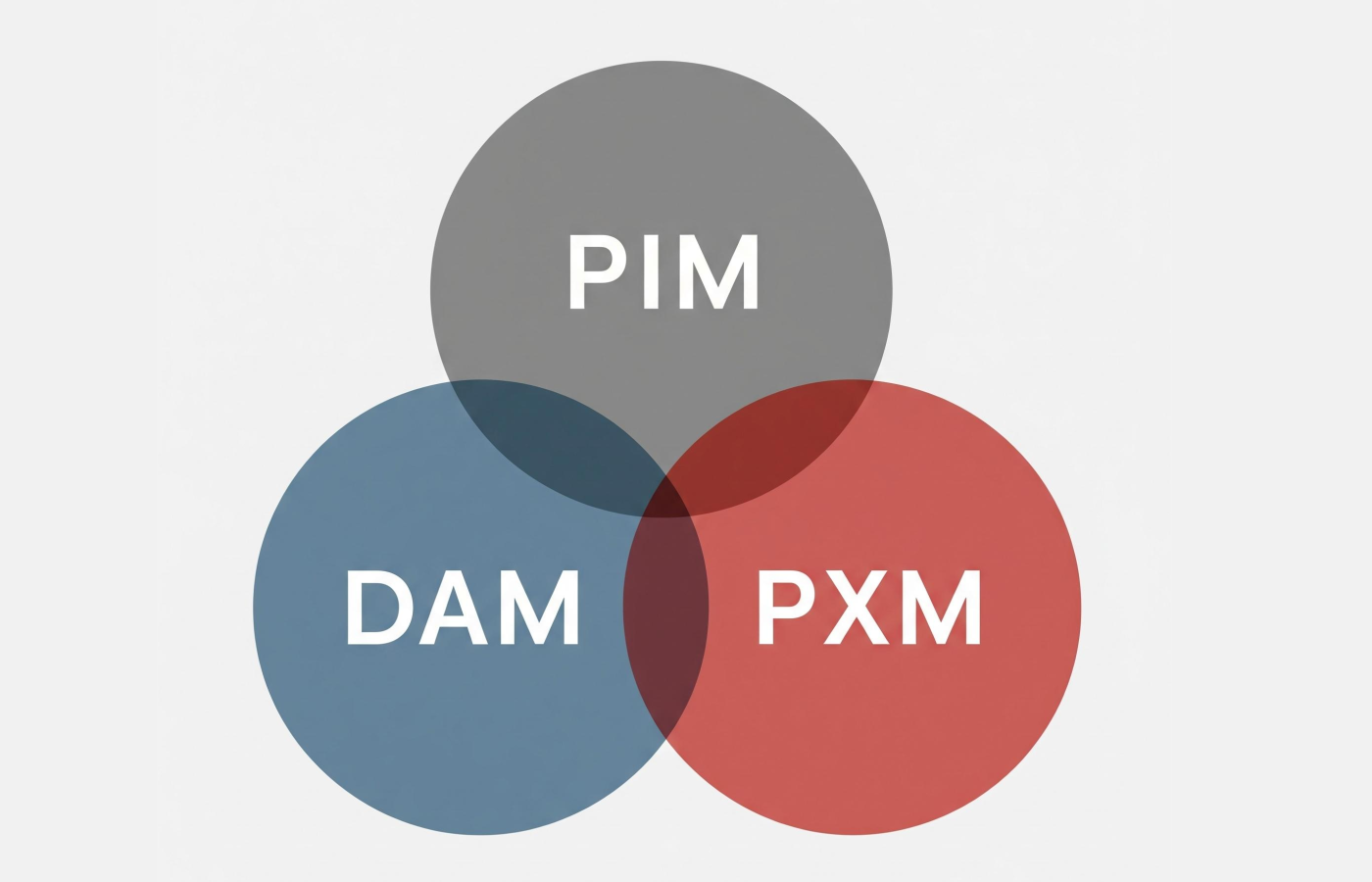
How do the disciplines PXM, PIM, and DAM differ? We illustrate the differences between data management systems and explain their interrelations as well as which business models they suit.
In the electrical industry, product variety is part of everyday business: variants, accessories, spare parts and bundles continue to grow. This diversity is a strength – but it can quickly turn into a data trap. Incorrect assignments, unclear offers or missing content cost time, revenue and customer satisfaction. Customers become frustrated, returns increase, and sales efficiency suffers.