Digitalization in the automotive aftermarket – what really matters now
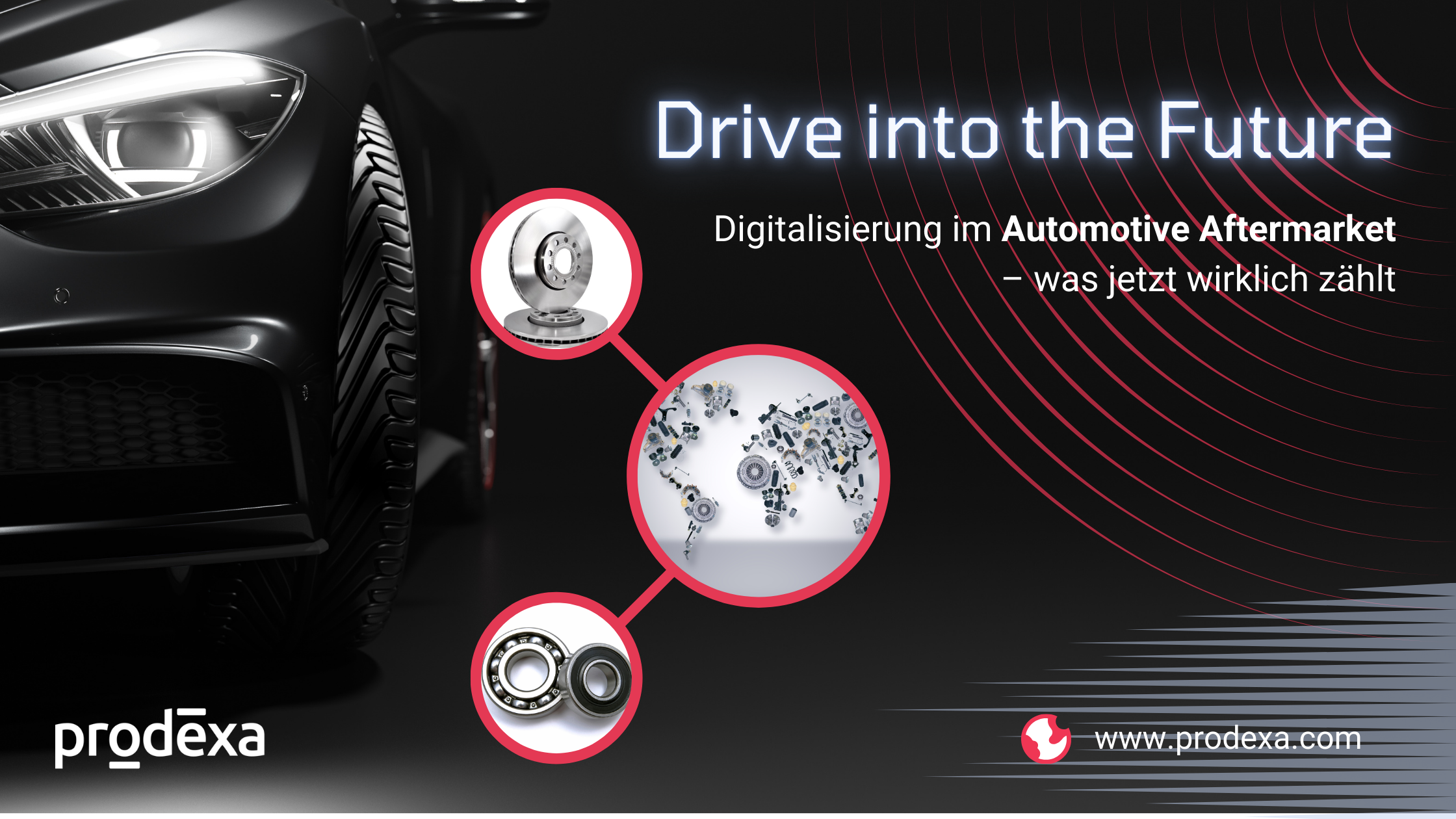
The automotive aftermarket is undergoing radical change. Manufacturers, dealers, and service providers are under constant pressure: increasing product diversity due to more and more vehicle variants and shorter model cycles, growing amounts of data, and higher customer expectations require new ways of thinking. Those who still rely on old processes or rest on their past successes risk inefficient workflows, missed opportunities, and declining competitiveness.
The challenges in the aftermarket
The market is becoming increasingly complex. Vehicles are becoming more customized, spare part numbers more diverse, and customers expect fast, transparent, and error-free processes—both online and offline. This includes online sear The market is becoming increasingly complex. Vehicles are becoming more customized, spare part numbers more diverse, and customers expect fast, transparent, and error-free processes—both online and offline. This includes online searches using vehicle trees, VIN numbers, or even license plates, as well as the exchange of data in industry-specific formats such as TecDoc, ACES, PIES, or Fraga, and the use of inte ches using vehicle trees, VIN numbers, or even license plates, as well as the exchange of data in industry-specific formats such as TecDoc, ACES, PIES, or Fraga, and the use of interfaces on marketplaces such as Amazon or eBay. At the same time, data quality requirements are increasing: inaccurate or incomplete information leads to delays, incorrect orders, unnecessary costs, and ultimately to dissatisfied customers. Although there are no reliable publicly available statistics, the available databases with millions of items and referenced OE numbers show that the aftermarket is highly fragmented. This suggests that the number of OE numbers per spare part tends to be high and is likely to continue growing. Manufacturers and dealers today have to do much more: make processes more efficient, keep data consistent, and improve customer service at the same time. This is precisely where the opportunity lies for companies that take a consistent approach to digitalization.
Smart data strategies as the key to success
A well-thought-out data strategy can make all the difference. It enables you to structure large amounts of data, make information available more quickly, and make informed decisions. Intelligent tools can be used to automate processes, reduce errors, and shorten throughput times—which not only saves costs but also increases customer satisfaction.
What constitutes a smart and well-thought-out data strategy?
A key element of a successful data strategy is the data model. Many companies make mistakes here and only realize after a few years that their model is not future-proof. A well-designed data model forms the basis for consistent, structured, and expandable data. In addition to the data model, data governance is crucial. If every user is allowed unrestricted access to data changes, an inconsistent data structure quickly emerges. Therefore, structural changes to the data model and adjustments to classification systems should be reserved for a few authorized persons. This may require new roles or responsibilities within the company. Another key element is data quality guidelines. They ensure that data is only used productively once it has reached a defined quality level for the respective output channel. To implement this, in addition to the guidelines, powerful software solutions are also required – such as prodexa PIM – which offer automatic data enrichment, matching tools, and AI-based quality checks. A smart data strategy combines clearly defined structures, governance processes, and intelligent technologies to make data consistent, reliable, and usable in the long term. Companies that embrace digital solutions early on and receive professional advice are more agile, recognize trends more quickly, and exploit market opportunities in a more targeted manner. At the same time, they secure their long-term competitiveness and make their growth significantly more efficient. Thanks to AI functionalities, increasing amounts of data can often be managed with the same or even fewer staff.
Why act now?
The industry is changing rapidly, and pressure on manufacturers and dealers will continue to increase. The average age of vehicles is steadily rising—currently standing at 10.6 years in Germany and as high as 12.3 years in Europe, with an upward trend. This is positive for the automotive aftermarket, which is benefiting particularly from this development. Those who consistently drive forward digitalization are positioning themselves as pioneers, optimizing their processes, and laying the foundation for sustainable success. Digitalization is not an end in itself—it is a strategic advantage that should be exploited right now.
Conclusion
The automotive aftermarket demands efficient, data-driven processes. Smart data strategies and the right software solutions help companies master complex processes, increase customer satisfaction, and maintain their long-term position in the market. Those who take the right steps now will be well equipped for the future.
Deepen your knowledge in our webinar on December 18, 2025, and January 15, 2026!
Would you like to learn more about how to successfully master the challenges in the automotive aftermarket? In our live webinar, we will show you:
- Practical solutions: for typical challenges in the automotive aftermarket
- concrete added value: for your company, e.g., web shop connection or supplier integration
- Interactive discussion: with our experts and participants to exchange experiences and best practices
Was this post helpful?
Give us your feedback!Stefan Herold
Author